

Understanding Absorbent Glass Mat (AGM) Batteries
The AGM Revolution
Tired of worrying about the maintenance found in wet & flooded batteries? For trustworthy energy storage, the AGM battery is a great choice. This technology grew in popularity in the early 1980s, when military aircraft and vehicles needed batteries with better reliability and less weight. AGM then quickly became the new standard.
Defining the Core Difference
What, exactly, makes an AGM battery unique? It all comes down to how it handles the acid. Unlike a standard flooded battery where sulfuric acid sloshes freely, in an AGM battery, a very fine, woven fiberglass mat absorbs and securely holds the acid—like a sponge. This simple but powerful feature transforms the battery into a non-liquid, “dry-cell” state, making it inherently spill-proof.
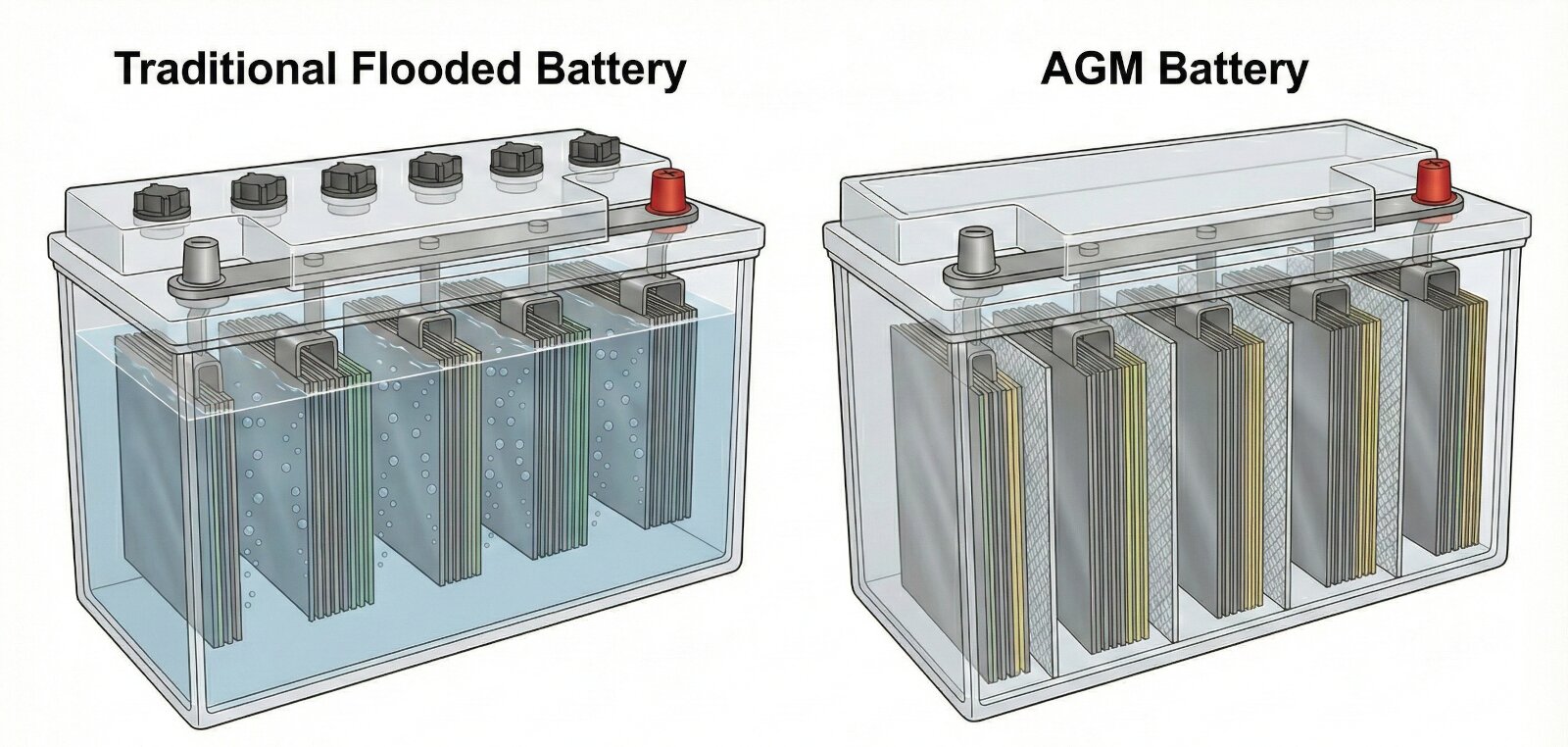
The Technology Inside: How AGM Works
A Modern Spill-Proof Design and Construction
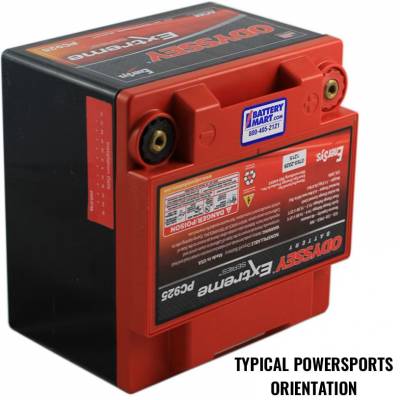
Because the electrolyte saturates within the fiberglass mat, the battery remains fully sealed. It will not spill if the case suffers cracks or damage. This quality is important: AGM batteries are not considered hazardous, making them cheaper to ship. Users also get incredible flexibility: you can install the battery at every angle except upside-down. There are a number of motorcycles and off-road vehicles that require the batteries to lay on their back.
Internally, manufacturers design AGM batteries with flat plates or spirally wound cylindrical cells. The dense construction and compression of the plates within the fiberglass mat give AGM technology a very low internal resistance. Think of this as the battery’s efficiency: this low resistance is a critical performance benefit, letting the battery deliver massive, high current bursts (great for starting) and accept a fast charge.
Key Advantages: Why Choose AGM?
You get substantial benefits when you choose an AGM battery over traditional flooded batteries.
Charge Speed and Deep Cycling (The Performance Edge)
Performance is perhaps the biggest draw. AGM batteries can accept a charge up to five times faster than flooded ones. In addition, they can handle deep cycle, the process of discharging and recharging. While standard batteries limit you to a 50% Depth-of-Discharge (DoD) to maintain cycle count, AGM batteries can safely handle up to 80% DoD. You can run your accessories longer without damaging the battery.
Durability and Maintenance
AGM batteries are basically set-it-and-forget-it. They are completely sealed and require no water top-offs. Their highly compressed “sandwich construction” makes them highly resistant to vibration, which is why racing leagues (like NASCAR) and marine applications swear by them. Finally, they are far less prone to sulfation in storage than flooded batteries. They can sit longer without needing a topping charge.
Reliability in Extreme Temperatures
AGM technology performs exceptionally well when conditions get rough. It stands up to colder temperatures and features a low self-discharge rate. You get reliable starting power even after periods of inactivity.
Applications Where AGM Batteries Shine
The unique advantages of AGM make them the preferred choice for several popular applications:
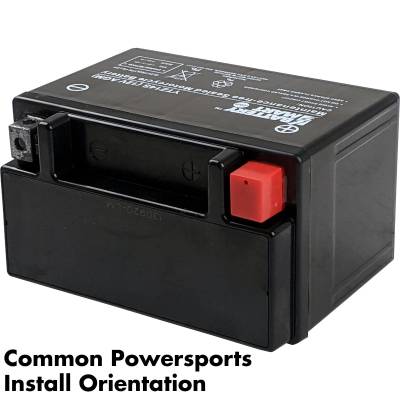
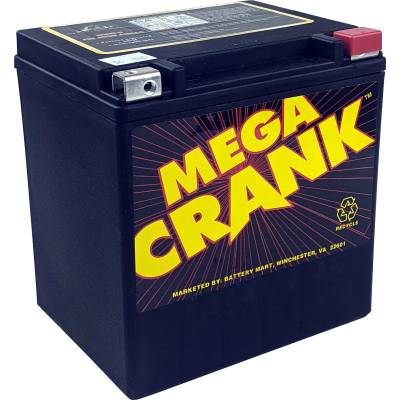
- Automotive & Powersports: We’ve installed many AGM batteries in modern vehicles running accessories like heated seats and advanced electronics. They are also the robust choice for contemporary Start-Stop vehicles, which rely on the battery to cycle frequently. For motorcycles, their low weight and ability to be mounted sideways offer huge design advantages.
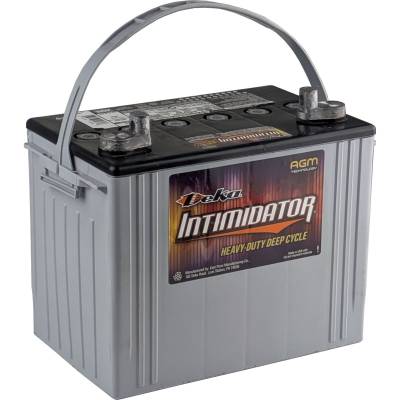
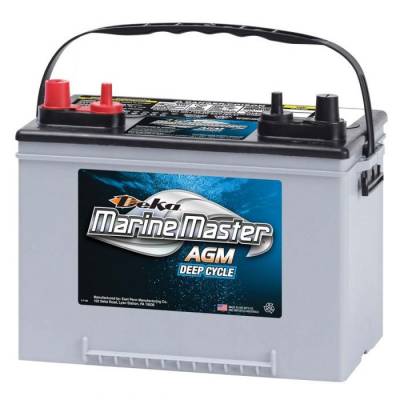
- Stationary & Auxiliary Use: Their excellent deep cycle capability makes them ideal for marine vessels, motor homes (RVs), Uninterruptible Power Supplies (UPS), and various robotic systems. Our retailers commonly offer these batteries in mid-sized ranges from 30 to 100 Ah.
V. Considerations and Proper Care
While AGM batteries offer superior performance, it’s always important to understand best practices to keep them healthy and how they stack up against other sealed batteries, such as Gel.
Comparison to Gel Batteries
Both AGM and Gel batteries are sealed, but AGM generally wins for most starting and auxiliary uses:
- Lower Cost: You’ll find AGM batteries are typically more affordable.
- Higher Power Delivery: Their low internal resistance helps AGM deliver high cold-cranking power.
- Faster Recharge: AGM can accept a charge at a significantly faster rate than most Gel batteries.
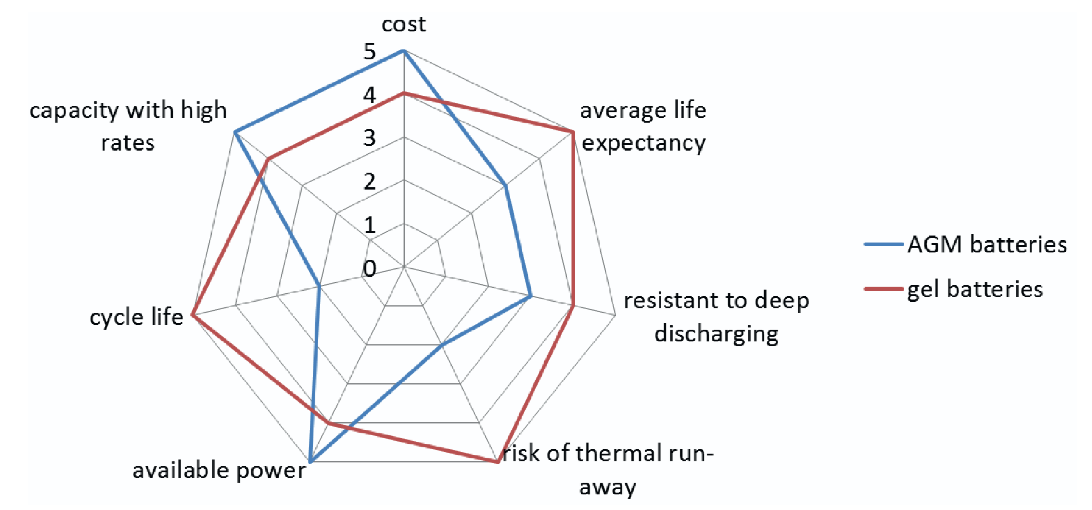
Heat Sensitivity
AGM batteries do not tolerate excessive heat well. To maximize their lifespan, you should install them away from high-heat sources. While charging, we recommend letting the battery cool down if it reaches 49°C (120°F). A number of chargers have temperature compensation features to help with this.
Charging Sensitivity
AGM is sensitive to overcharging. For this reason, use a charger designed for AGM batteries. This ensures proper voltage, full charges, and prevents permanent damage. We advise our customers to store them fully charged, especially if the battery sits unused. For example, a motorcycle battery that will sit in a garage for winter.
Conclusion: You’ll Love AGM Batteries
With ease of charging, durability, maintenance-free design, and deep cycling ability, AGM batteries are the clear choice for many of your favorite applications. You’ll get reliability and longevity, making AGM a wise investment for your vehicle, boat, or RV.
Browse our selection today and enjoy the high-performance power of AGM batteries!
