

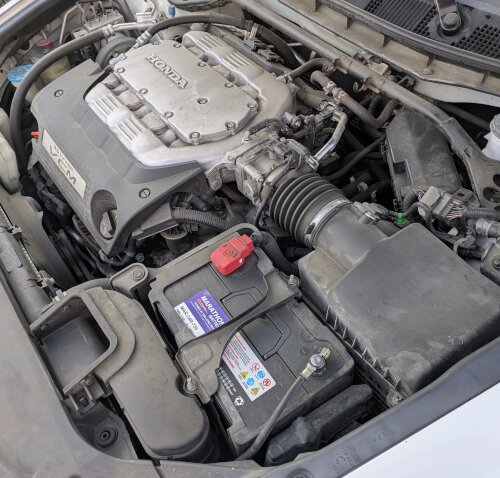
Replacing a car battery used to be a simple, quick task. You would pop the hood, swap the batteries, and then your car was ready to get back on the road. But, in the era of modern vehicles, especially those with start-stop technology, there’s a lot more going on under the hood — literally.
All the components under the hood have evolved significantly over time; more powerful engines, more complex engineering, and smarter electronic and computer systems. Dieter Zetsche, the former CEO of Mercedes, once noted that the intelligence of a battery doesn’t live in the cells, but in the system surrounding them.
Today, your battery is part of a complex electrical system, all managed by a Battery Management System, commonly rendered as BMS.
What Exactly is a BMS?
Think of a BMS as the brains to the battery’s brawn. The battery stores the energy to start or run the vehicle, while the BMS handles the software that communicates with the charging system.
It tracks three main things:
- State of Charge (SoC): This is how much energy the battery has right now. You’ve likely already seen a version of this today—the battery percentage on your phone or laptop.
- State of Health (SoH): This tracks aging. It measures how much total capacity the battery has lost over time.
- State of Function (SoF): As a combination of the above two metrics, this tracks the battery’s power and is very important. It determines if the battery has the power to do its task. For example, the cold cranking power to turn the engine over.
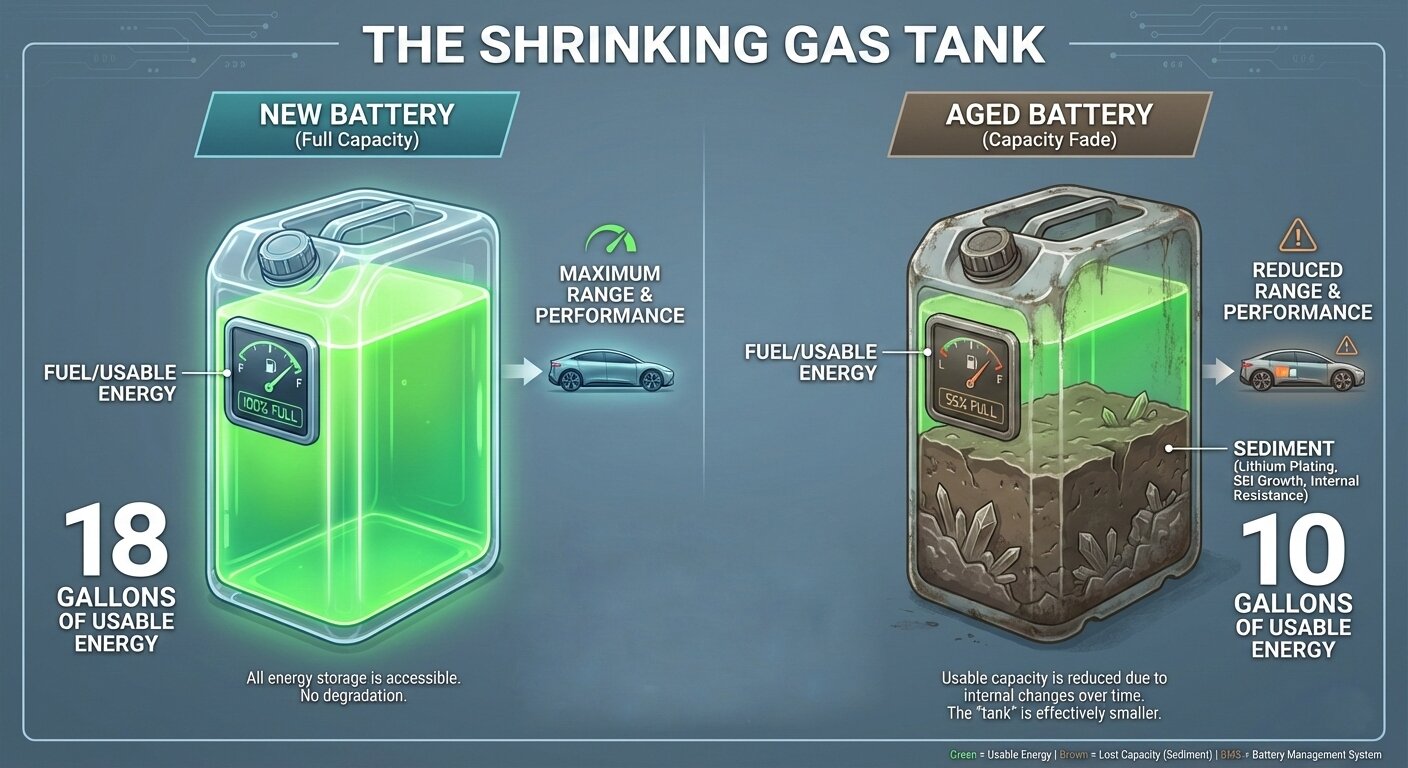
Measuring amp hours and watt hours is harder than measuring gasoline. An 18-gallon tank will always accept 18-gallons of fuel; whether it’s a brand new car or a twenty-year-old one. A battery, however, will “shrink” as it ages. The BMS does complex math to determine how much the tank has “shrunk”. To maintain the gasoline tank analogy, the BMS is making sure that it doesn’t force the full 18 gallons into a tank that can now only accept 10 gallons.
Why Your Car Needs a “Guardian”
Modern vehicles put more strain on your batteries than antique cars do. When stopped at a red light, the engine shuts off to save fuel, letting the battery take over. The battery powers your headlights, your AC or heat, and your wipers. Then, once the light turns green and you start moving, it has to crank the engine.
This is where the BMS works behind the scenes. It tracks things like temperature to prevent fires, balancing the load between the battery cells, and cuts everything off if it detects an errant power surge.
The “Silent” Failure
Even if they don’t know the name or the cause, capacity loss (or fade) is a common frustration. Your car’s display or handheld tester might show a 100% charge, but if the battery’s maximum life has dropped to 50%, you only have half the power from when the car was new.
A basic sensor or multimeter might miss this, but the BMS tracks this type of battery degradation. It makes sure the other components, such as your alternator, know how to handle the battery’s current reality.
Why You Can’t Just “Swap” Batteries Anymore
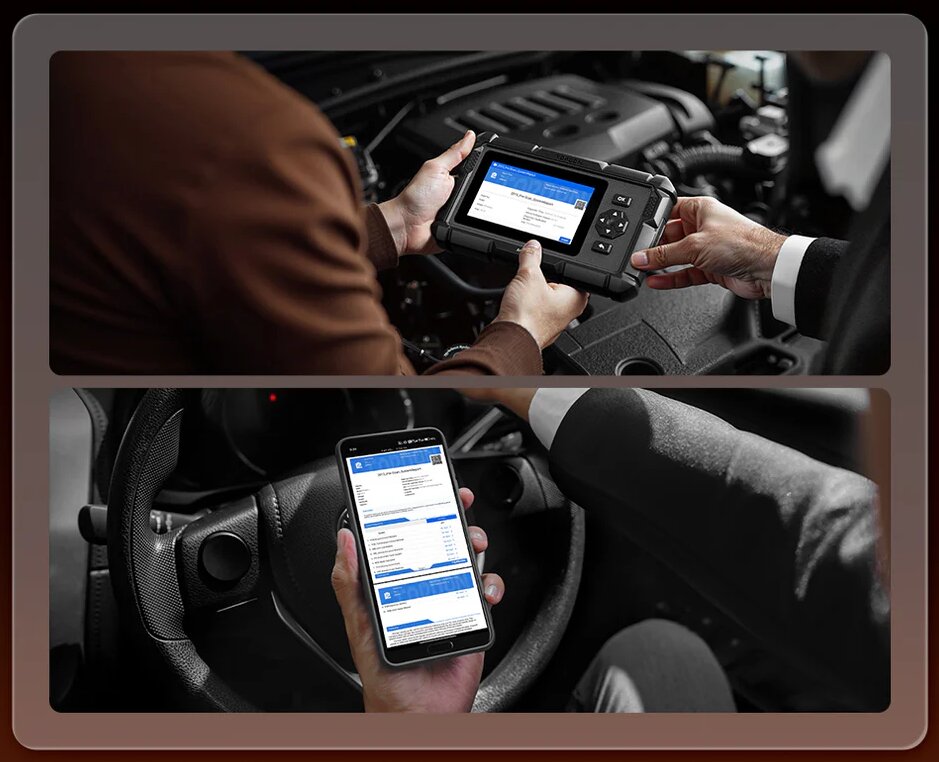
When you replace your battery in a modern vehicle, the BMS isn’t intrinsically aware of the swap. It will still believe it’s managing the old, faded battery.
If you don’t “reset” or “register” the new battery, the BMS might undercharge it or use an aggressive charging profile meant for the old battery. This can lead to:
- Shortened battery life.
- Warning lights on the dash.
- Start-stop systems that refuse to work.
Replacing a battery is now an event, not a swap. The system needs something to tell it that it’s working with a fresh battery.
Tools to Help You Manage
At Battery Mart, we have worked with a lot of tools that help manage these systems.
- Bluetooth Monitors: These small devices attach to your battery and send real-time health data to your phone via an app.
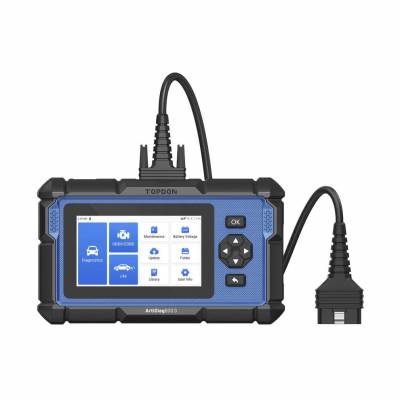
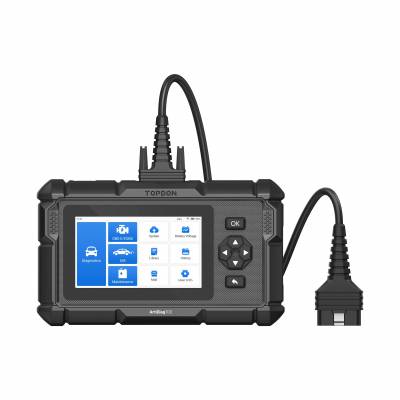
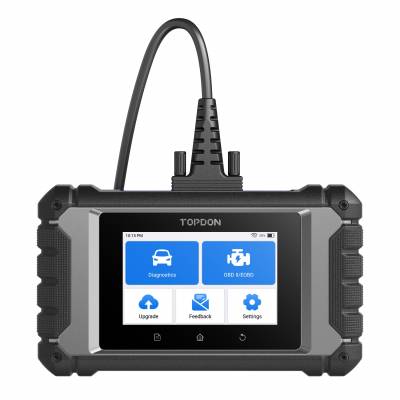
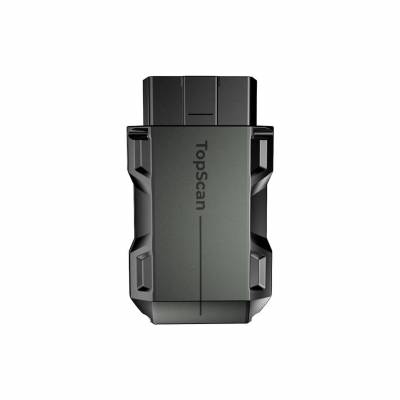
- OBD-II Scanners: We carry tools that allow you to perform your own “BMS Reset” at home, saving you a trip to the dealership.
- Smart Chargers: These chargers are designed to work with a BMS, ensuring a safe and complete charge without tripping any sensors.
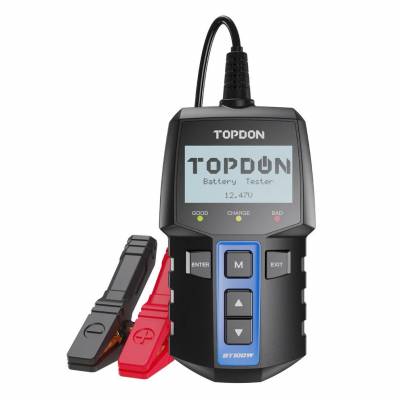
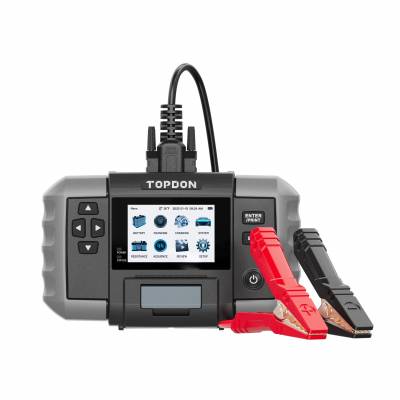
Here is a selection of tools from TOPDON, who specializes in automotive diagnostics and testing. These units are fairly priced and serves professionals, hobbyists, and everyone in-between.
Keeping it Simple
Batteries have certainly grown as a technology over the years, but that doesn’t mean they need to be a problem, either. Understanding the relationship between your battery and the computer systems that manage it is the first step toward battery maintenance.
If you have questions about your specific vehicle or need help picking out the right tool, we’re here to help. We’ve been helping thousands of customers since 1982 and have lots of practical experience with electrical systems. Check out our selection of diagnostic tools and keep your vehicle road-ready!
