

Your home standby generator is like an insurance policy against lost power and torrential storms. Most days of the year, it will sit quietly, before trouble rears its ugly head. That’s when you’ll need it to start up like it was brand new. However, your home generator is a complex machine that requires regular maintenance to keep it at peak performance for when that hurricane hits.
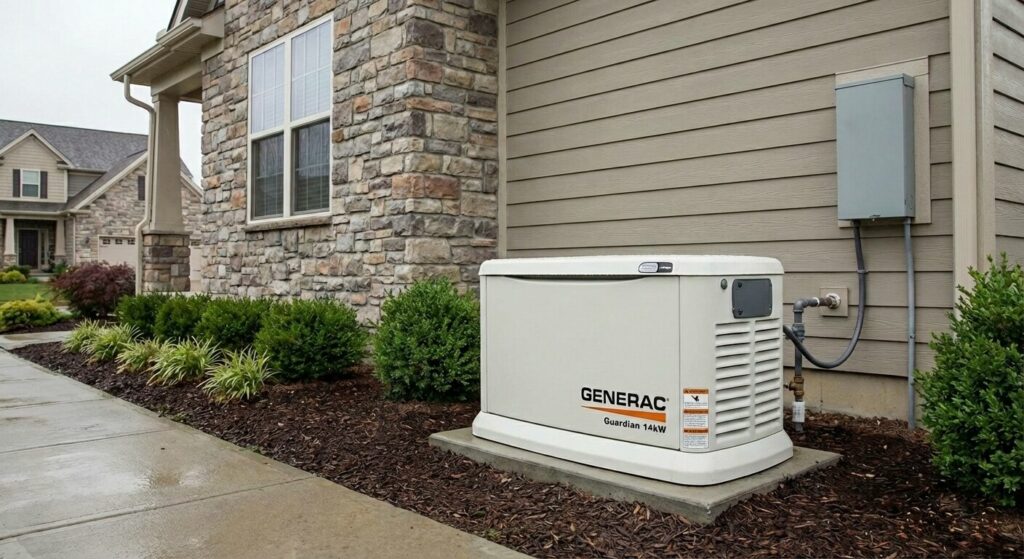
Consider your vehicle and the little things you do to keep it running. Your vehicle benefits from driving it regularly and keeping up with its fluids. Your generator is the same: Periodic maintenance, like oil changes, will keep the engine running for years.
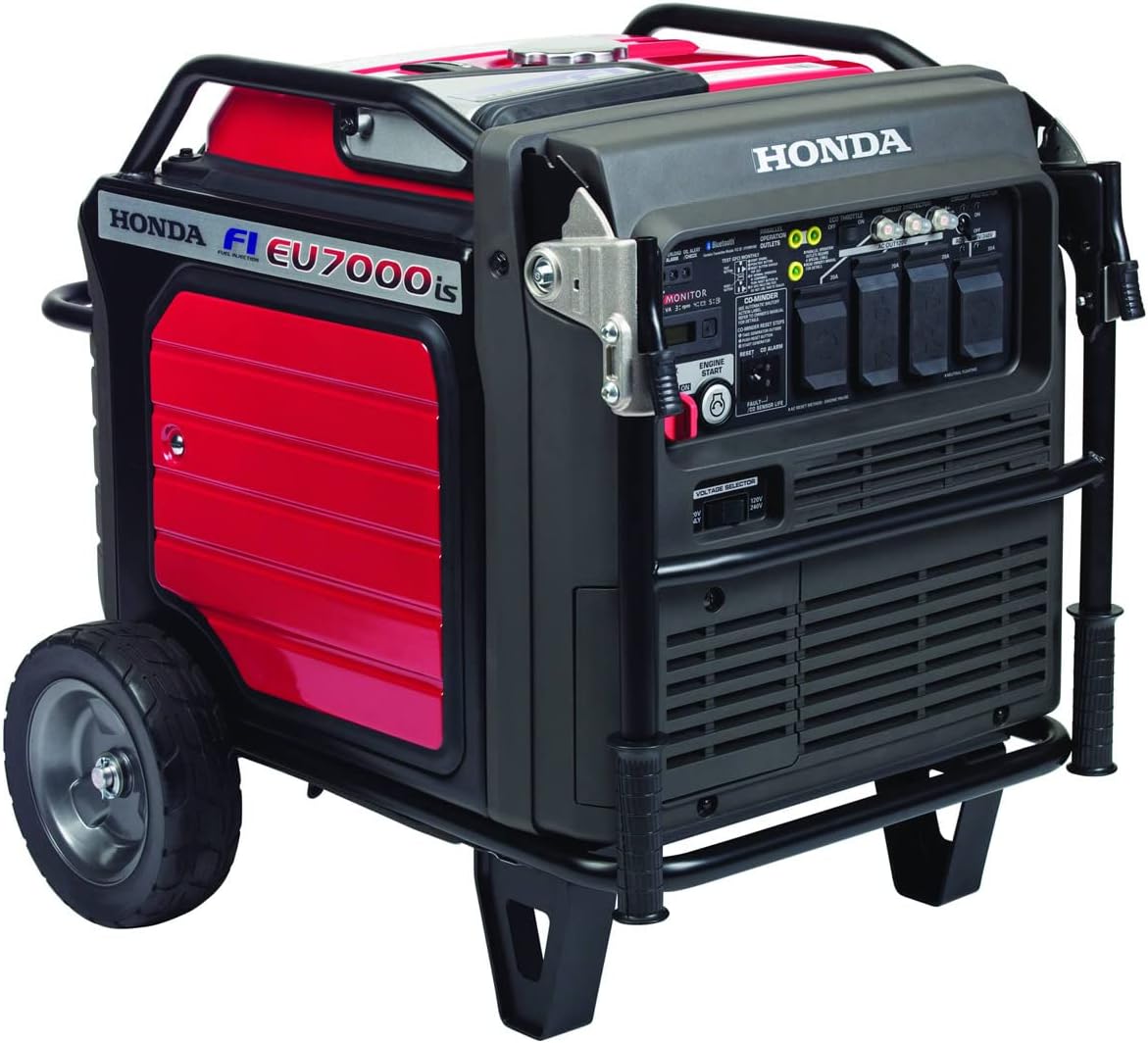
Whether you own a Honda, Generac, Cummins, or any other brand, there are things you can do to keep your generator ready. We’ve put together these maintenance tips to help you keep your generator ready for years to come.
Why Maintenance Matters
It’s easy to neglect your generator when your home is running smoothly. But regular maintenance is important because you want:
- Reliability: Your generator needs to start each time.
- Cost Savings: Finding that oil leak or frayed wire today is vital. Small components are cheaper than replacing engines.
- Safety: Periodic maintenance ensures the exhaust system is working correctly. Proper ventilation minimizes the risk of carbon monoxide (CO) buildup.
- Longevity: A well-maintained generator can last 20 years or more. You put serious cash into it—let it stretch those dollars as much as possible.
The Golden Rule: Keep your owner’s manual handy. Our tips apply to most generators, but your manual contains more distinct details that would be way too much to go over here. Details like the exact oil type and filter part numbers the unit requires. If you’ve lost the original that came with your generator, no worries! You can typically download the manual from the manufacturer’s website or request it from their customer support team.
The Maintenance Checklist
Weekly to Bi-Weekly: The “Quick Look”
You won’t need any tools or equipment for this part. Every week or two, this only takes five minutes with your generator:
- Visual Inspection: Open the lid and check for debris, leaves, or bird/hornet nests. These foreign objects could block airflow.
- The Status Light: Most generators have an LED or light on the side. If it’s green, you’re good. Yellow or Red means it’s time to check the control panel or manual for an error code or alert.
- Exercise Run: Most generators are programmed to run automatically once a week. Listen for it. It should sound smooth, with no excessive vibrating, smoking, or rough idling.
Monthly: Fluids and the Battery
This is time you’ll catch the most common problem: an old or bad battery.

- Check the Oil: Pull the dipstick and wipe it clean. Check the oil and ensure it’s at the correct level.
- Scrub the Terminals: Check for any white, crusty buildup on the battery terminals. This can negatively affect your cranking power. Use our Top Post Terminal Cleaner to keep the connection strong.
- Pro-Tip: Spray the battery terminals with something like our Deka 00450 Battery Cleaner Spray. It leaves behind a pink foam to indicate there’s acid, helping you spot hidden leaks before they cause a problem, such as eating through your wiring.
Annually: The Full Tune-Up
At least once every year or every 100-200 hours of use, your generator needs some well-deserved attention. Here are some important steps to extend the life of your generator.
- Change the Oil and Filter: Like your vehicle, a regular oil change reduces friction and wear on the internal parts. Again, refer to your owner’s manual for the proper oil needed.
- Air Filter & Spark Plugs: Air filters build up dust and debris. Replacing them and plugs keeps your generator running efficiently.
- Fuel System Check: If your generator uses gaseous fuels (like propane or natural gas), prioritize inspecting the fuel lines. Look for signs of wear and tear, cracking, or weathering. Damaged fuel lines lead to dangerous leaks.
Special Considerations
The “Break-In” Period
If your generator is brand new, pay close attention! Most manufacturers require a “break-in” oil change after only the first 20 to 25 hours of use. Don’t skip this! This will clean out any impurities, such as the tiny metal shavings that occur naturally with a new engine.
Proactive Battery Care
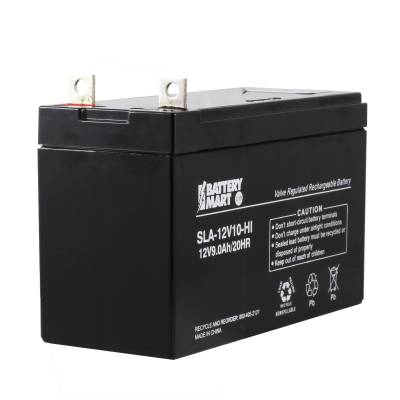
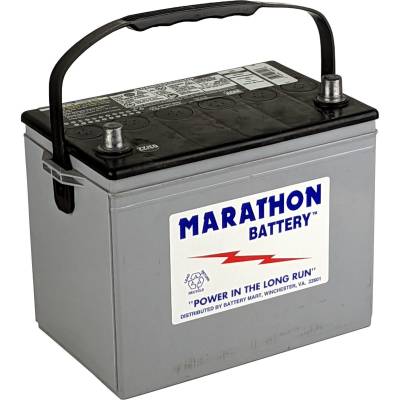
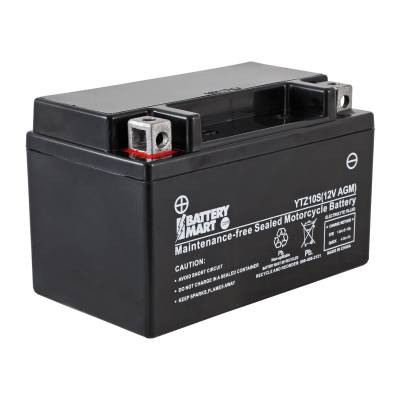
Well-maintained batteries typically last 3 to 5 years. Don’t wait for a blizzard to replace it. Use our Generator Battery Lookup to find the exact replacement for your model ahead of time. Most generators use a sealed lead acid battery, like our SLA-12V10-HI, and many others use powersports batteries—the same ones you’ll find in motorcycles and ATVs.
After cleaning your terminals, apply Deka 00322 Terminal Protection Spray. This seals out the elements and prevents corrosion buildup, which gets you a clean, low-resistance connection.

Harsh Temperatures & Pests
Do you live somewhere exceedingly dusty or frequently experience extreme temperature shifts (above 85°F or below 40°F)? If so, perform your oil changes twice as often. We also recommend keeping the area around the generator free of tall grass or woodpiles. These attract mice—whose pastimes include chewing on any wires they can find.
When to Call a Professional
Most homeowners can handle oil changes and battery cleaning and replacement. However, you should call a certified technician for:
- Valve Adjustments: These are necessary every few hundred hours to keep the engine healthy.
- Load Bank Testing: You’ll want to ensure that your generator will actually handle the electrical load from your home.
- Electrical Repairs: Any issues involving the transfer switch to prevent backfeeding or internal wiring.
Keep a Handwritten Logbook
The last bit of advice that we can offer is to keep a small notebook and store it inside the generator’s enclosure or with your owner’s manual. Whenever you perform any maintenance, record the date, the run-hours on the meter, and whatever you fixed or replaced. This log will be super-useful for warranty claims as well as simply keeping track of everything you’ve done to support your generator’s health.
Bottom Line: Maintenance shouldn’t be a chore; it’s the price of peace of mind and emergency power. Go check your generator’s status light today! And if you need a fresh start, browse our full selection of generator maintenance tools and batteries at Battery Mart!
