

Spending a day on your boat should be a fun & rewarding experience. We’re here to help you get there. We’ve helped anglers all across the US with their battery needs.
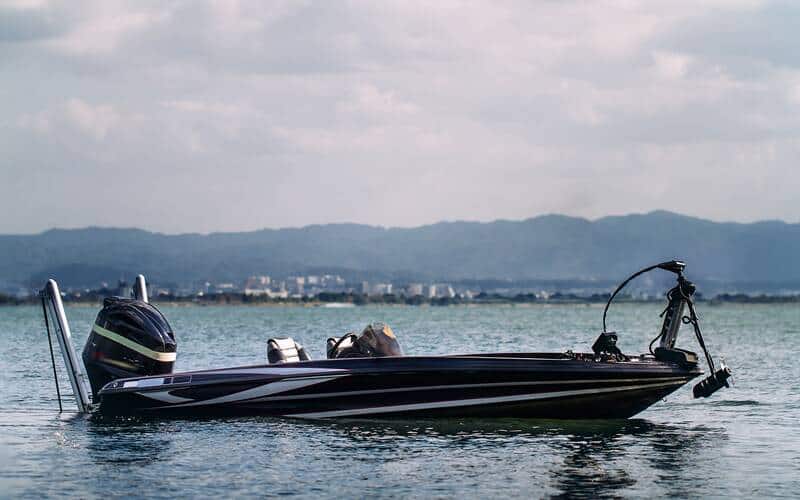
Choosing the right battery is crucial to power your trolling motor, electronics, and adventures. Our guide will help get you started: from the different battery chemistries, how to keep them charged, and protecting them. Ultimately, you should feel confident you’re making the right choice for your boat.
What is a Deep Cycle Marine Battery?
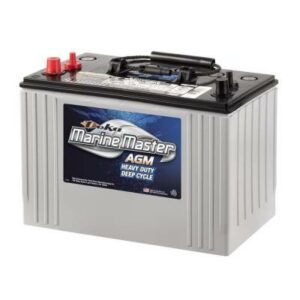
At their core, deep cycle marine batteries are designed to provide power over a long period of time. In contrast, the battery in your car is built to deliver a quick, powerful burst to over a few seconds to turn your engine over. Think of running for four miles versus a 40 meter dash. The car battery is the sprinter, while the deep cycle battery is the marathon runner. It’s providing stored energy for the trolling motor, lights, fish finders, and all your other electronics.
Marine batteries are also built to be sturdier than other deep cycle batteries. They need to withstand vibration and shaking while they are doing their job. A non-marine battery attached to a solar panel typically doesn’t need to be as tough.
What Type of Battery is a Marine Deep Cycle?
When we say “deep cycle marine battery”, we are referring to a whole category of batteries, not a single type. You can break down deep cycle marine batteries into a few different types or chemistry: Flooded, AGM, Gel, and Lithium. Each chemistry has its own pros & cons. Understanding them will help you make an informed choice for your vessel.
Flooded Lead-Acid (Wet Cell):
The most traditional and affordable deep cycle batteries. Inside, they contain liquid electrolyte (AKA ‘battery acid’) that will need topped off with distilled water periodically. They are the most cost-effective option, but do require regular maintenance and kept upright to prevent spills. Please note that while we sell flooded batteries in our retail stores, we do not ship them. Shipping materials and regulations quickly eat away at their price advantage.
Absorbed Glass Mat (AGM):
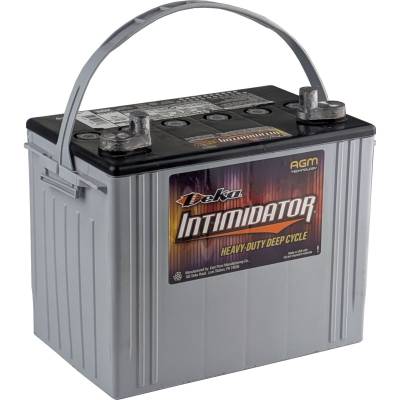
The most common marine battery we sell. Inside the battery case, there are fiberglass mats that absorb electrolyte, making them maintenance-free, spill-proof, and highly resistant to vibration. Furthermore, they also charge faster and perform better in colder environments than flooded batteries. However, they do come with a higher price tag, even though they are cheaper to ship (comparably; they are still quite heavy). Our most popular AGM brand is East Penn’s Deka Intimidator and Marine Master lines.
Gel Cell:
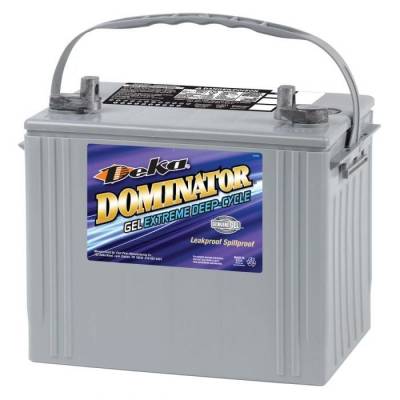
These are similar to AGM in that they are maintenance-free and spill-proof. The electrolyte is suspended in a silica gel, instead of being absorbed in fiberglass mats. They do operate at lower nominal voltages, which means you’ll need a special Gel charger and tend to be best for very slow discharge applications.
Lithium (LiFePO4):
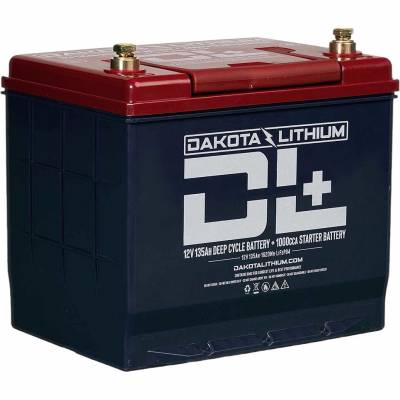
The latest and more advanced option available today, Lithium Iron Phosphate. Brands like Dakota Lithium and Lithium Hub’s Ionic have made these batteries extremely popular in sport fishing. They feature a lightweight design (over 50% lighter than AGM), a very long lifespan (10+ years), and a complete lack of maintenance. They are much more expensive than the other options, but their longevity and performance can equal savings in the long run.
What is the Best Deep Cycle Marine Battery?
The truth: There is no “best” deep cycle marine battery. There are a number of variables and each situation is going to be a little different. The best battery for your boat depends on some key factors:
- Amp-Hours (Ah): The most important spec. Amp-Hours tell you how much energy the battery will deliver over time. The more electronics you have on board (meaning the more draw there is), the higher you’ll need this Ah number to be.
- Size and Weight: Typically, there is limited space in your battery compartment. There is a standard, called BCI Group Size, that helps keep battery sizes consistent. The most common group sizes for marine batteries are 24, 27, and 31.
- Vibration Resistance: If the water or the boat itself rides rough, vibration-resistant options like AGM and Lithium make the smart choice.
- Maintenance: Are you willing to keep a flooded battery maintained with water? If not, that’s another reason to lean AGM or Lithium.
- Budget: This plays a significant role in choosing your battery. Tighter belts generally won’t pick Lithium, with their higher price tags.
No matter which battery you choose, the brands and batteries we offer consistently provide superior performance.
What Chargers are Suitable for Deep Cycle Batteries?
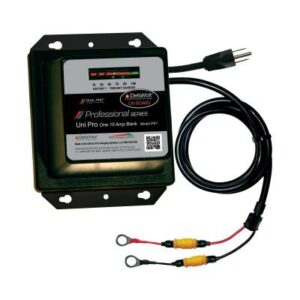
Having the right charger is just as important as choosing the right battery. You should always use a charger that’s designed for your deep cycle battery’s chemistry. AGM, Gel, and Lithium all have different nominal voltages to be considered “full”, even if they are lumped together as “12 volt.” The wrong charger can lead to your battery being undercharged or overcharged, and neither is good for the battery’s life.
There are many kinds of smart chargers with multi-stage charging (bulk, absorption, and float) that work extremely well. They also automatically shut off when the battery is full to prevent overcharging the battery, which causes it to swell. To find the right match, check out our selection of Deep Cycle Marine Chargers.
The Importance of Battery Boxes
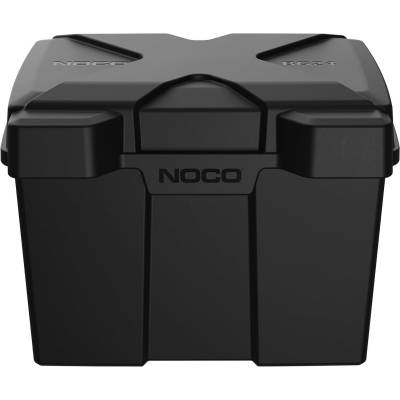
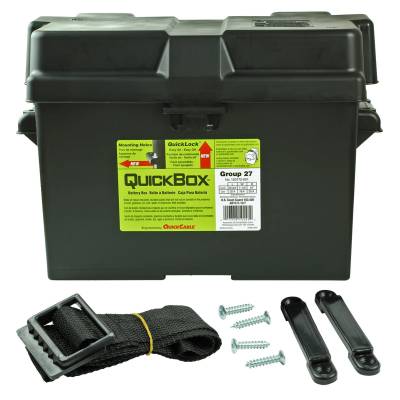
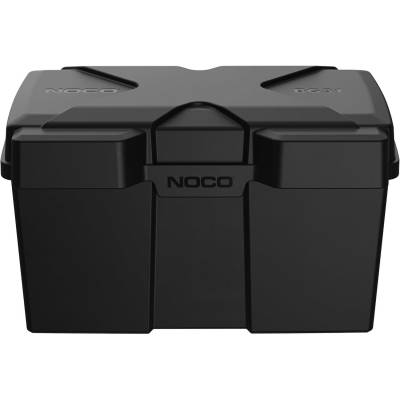
Now’s a good time to mention an important piece of safety equipment: battery boxes. These are durable, ventilated housings to protect your battery from physical damage. Furthermore, they are acid-resistant, helping them contain any leaks and spills from your boat. They can also be a regulatory requirement, as well. A high-quality box provides a secure home for your battery, keeping it safe and contained. You can find a range of options on our Battery Boxes page.
High-Level Maintenance Tips
To get the most value out of your deep cycle battery, here are some easy actions you can take:
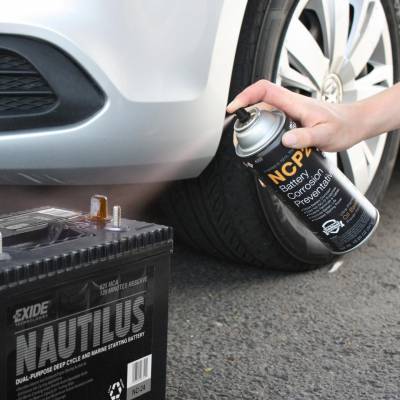
- Keep the Terminals Clean: Scrub off any corrosion or oxidation. This keeps the connection strong for the best performance. There are terminal brushes, like our ACC-BK501, to keep your posts clean. We also have NOCO’s NCP2 Battery Corrosion Preventative Spray (Item # NOC-A202).
- Charging: As we said earlier, always use the correct charger for your battery type. Do not let your battery sit for long periods of time unused. During the off-season, we recommend an automatic charger to keep the battery plates free of sulfation.
- Water Levels: For flooded lead-acid batteries, check the electrolyte levels periodically. If low, top it off with distilled water.
- Storage: When putting away your boat for the off-season, again, keep the battery is fully charged and on a maintainer. Keep it stored in a cool, dry place.
When to Replace Your Battery
Batteries have a limited lifespan, even after our best efforts to keep them healthy. Here are some signs that it needs replaced:
- Over 5 years old: Marine batteries commonly last 3-5 years (with the exception of Lithium, which typically see 10 or more years). If your battery is old, consider a new one.
- Battery won’t hold a charge: Your battery may need a replacement if it drains too quickly or just won’t hold a charge. Age can contribute here, but sulfation can build up if it’s not kept maintained during the off-season.
- Visible damage: If your see a bulging or cracked case, this can be a sign of internal damage. Remove the battery for your boat and replace it.
- Corroded terminals: Excessive corrosion or oxidation that’s difficult to clean can indicate a problem.
- Just weak performance: If your electronics aren’t getting enough power (ex. dim lights), the battery just might not be providing enough power. It could be at it’s end of life or a higher amp-hour battery is necessary.
Putting It All Together: A Recommended Bundle
We’ve covered a lot of information, and it can be difficult to remember everything. To make your life easier, we’ve put together a convenient Marine Bundle that includes all the essentials. This bundle features a DEKA 9A34M Marine Master AGM Deep Cycle Battery, a NOCO Genius GEN5X1 Waterproof (IP68) Charger, and a NOCO Snap-Top BG31 Battery Box. This pre-selected package provides a perfect, compatible, and safe solution that takes the guesswork out of choosing individual components. Check out our bundle page to see images and videos of how it all fits together!
What’s Next?
Choosing the right deep cycle marine battery comes down to one thing: understanding your needs. If you choose one of the popular AGM batteries or upgrade to a cutting-edge lithium battery, remember it all comes down to three rules:
- Enough amp-hours to power your applications.
- The right charger to keep it healthy.
- The right battery box to keep it safe.
Ready to find the perfect battery for your boat? Browse our category for all of our Deep Cycle Marine Batteries today. If you have more questions, our Virginia-based team is always here to help you get back on the water with confidence.
