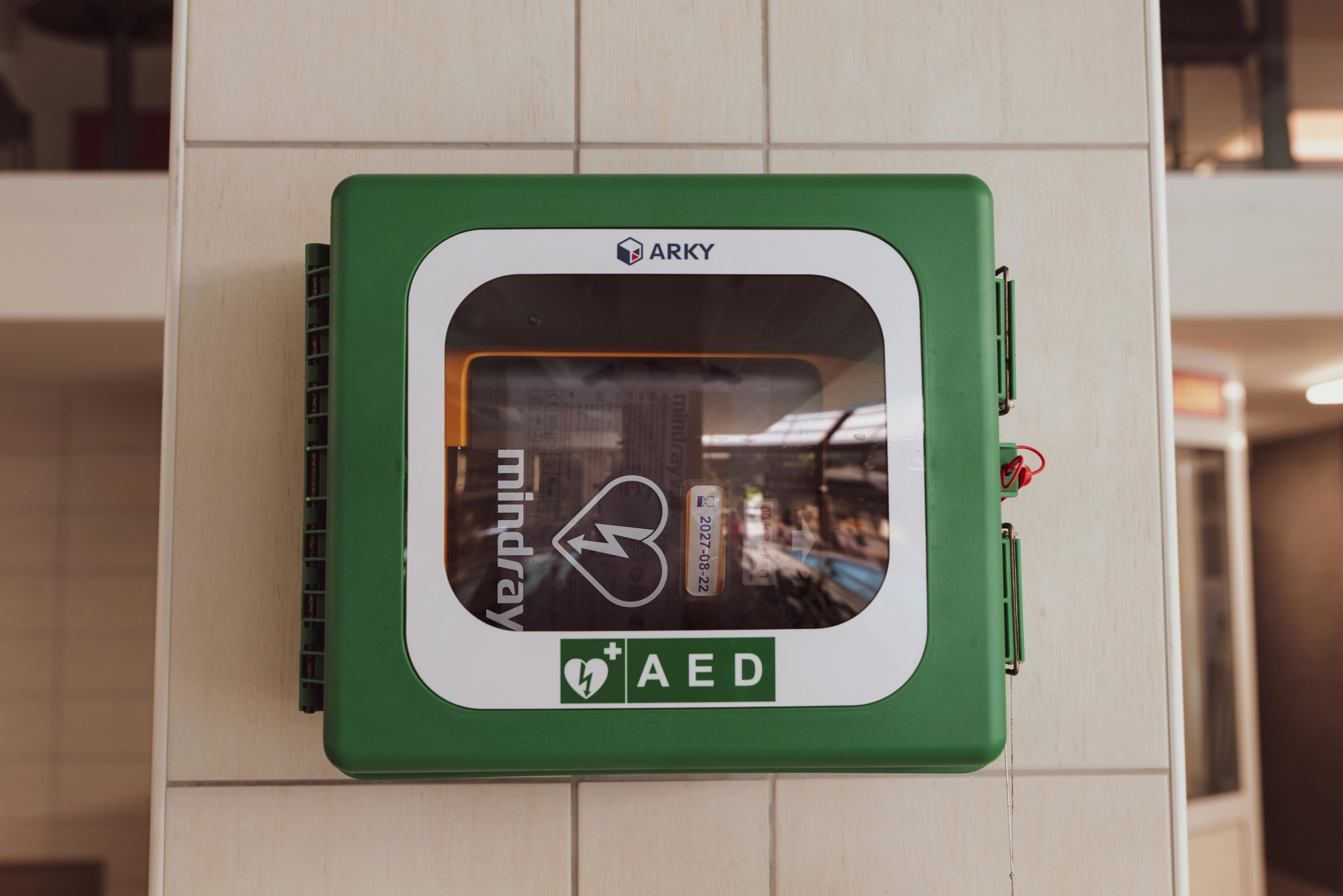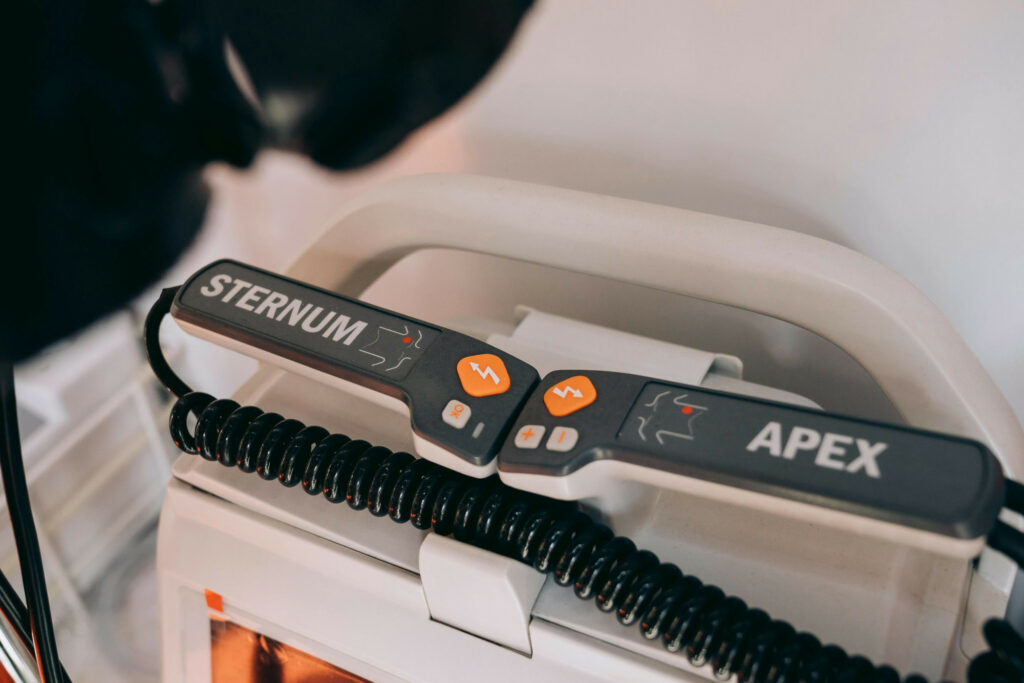
An Automated External Defibrillator (AED) is an important, life-saving device during medical emergencies. Therefore, you absolutely need it to be ready to go at all times. That starts with the battery. AED battery replacement is an unavoidable maintenance cost, and can be a surprisingly high one, causing many to look for ways to reduce expenses. Which may be the reason you’re visiting us today. Let us show you how you can choose a new battery without sacrificing safety, for you and your patients.
Original Equipment Manufacturer (OEM) batteries come with high price tags. These costs lead owners/operators of widely-used models (like the Philips HeartStart or Cardiac Science Powerheart) to ask: Are there safe, cost-effective options with the neccesary government approvals?
Our guide will go over the differences between the three main battery options available today. We will focus on compliance, safety, and cost. This way, you can see the best way yo maintain your life-saving device while saving up to 50%.
Looking for a Replacement: The Three Main Options
When your AED’s battery nears its end of life, there are three options:
A. The OEM Battery (Original Equipment Manufacturer)
This battery is made by the company that manufactured your AED (e.g., Philips or Cardiac Science). It carries the same guarantees and warranties your original battery did. Most times it will have the same specs (e.g. Ah capacity), too.
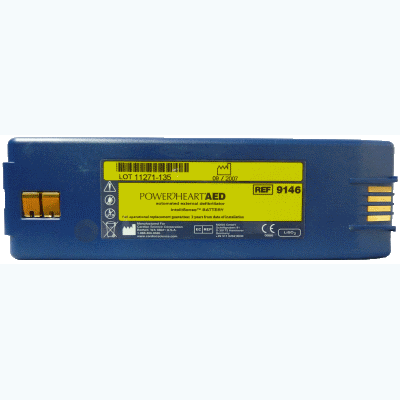
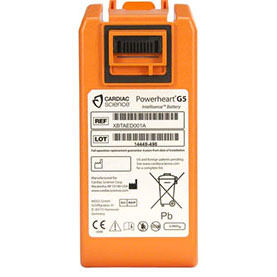
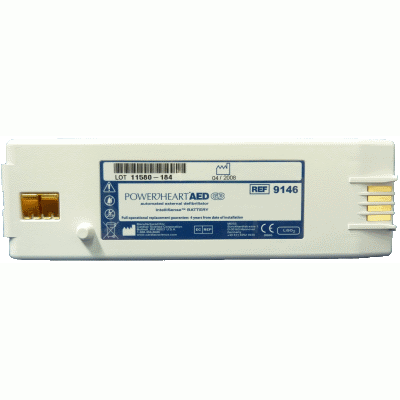
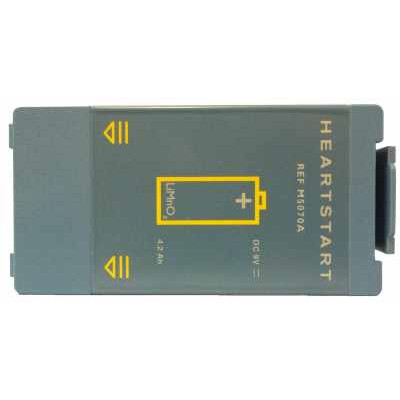
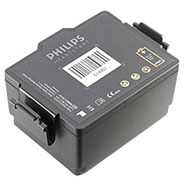
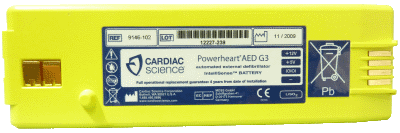
Pros: Guaranteed fit and compatibility. It would be just like the battery you’d get if you bought a whole new unit.
Cons: Highest cost. Bumps up the total lifetime expense of the AED.
B. The FDA-Approved Replacement (Recertified/Re-celled)
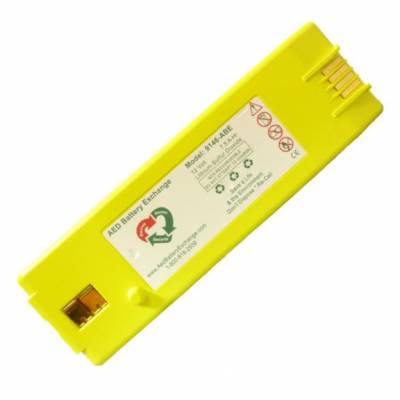
This is a Federally regulated alternative. Companies like AED Battery Exchange (ABE) take the durable exterior casing from an original, expired pack and replace all internal cells, electronic components, and testing systems. This makes them a 1-to-1 replacement for the OEM.
Essential Point: ABE uses cells manufactured by the exact same manufacturers that supply the OEM. This means that the replacement pack has the same specifications (amp-hour rating & life) as your original. There is no difference in battery’s performance or its overall life.
Why we love ABE’s batteries:
- The bottom-line savings (often up to 50% less than OEM)!
- Guaranteed performance with identical internal cells.
- Environmentally conscious “Green Technology” by reusing the certified outer casing.
- Backed by a strong, competitive warranty.
C. The Risky Option: Generic Aftermarket Packs
You shouldn’t really consider this an option, but it’s worth mentioning. These are packs produced by third parties that attempt to reverse-engineer and duplicate OEM batteries. They’ll have the lowest price point, yes, except those savings aren’t worth the risks to your patient’s safety. Or your own legal compliance.
Risks:
- Poor Fit: Aftermarket manufacturers rarely have the precise tooling of the OEM. This leads to poorly fitting housings that compromise the AED unit. Or it just won’t fit. Sometimes a few millimeters really can make a difference fitting into the housing.
- Unknown Quality: Internal cell components may be built by unverified manufacturers, resulting in questionable amp-hour ratings and unreliable performance
- Regulatory Danger: Aftermarket packs often lack FDA approval. AEDs are regulated as Class III medical devices by the FDA in the U.S. Since February 3, 2022, all AEDs must be equipped with an FDA-approved battery to be legally marketed or operated. Using non-compliant batteries, like cheap aftermarket batteries, exposes organizations to both fines and major legal risk.
The Important Key Factor: Safety & Compliance
The primary concern for any AED owner is safety. It is a misconception that only OEM batteries are safe; the real danger lies with generic, unregulated aftermarket packs.
FDA Approval Explained
An FDA-Approved replacement battery meets the exact same rigorous safety and performance standards set by the FDA as the original OEM product.
AED Battery Exchange’s PMA (Pre-Market Approval) is P190013, verifying that their remanufacturing process and final products meet these requirements. This PMA certification, easily verified on the FDA’s site, proves compliance with federal regulations. Because ABE uses the same cell manufacturers as the AED OEM, they guarantee parity in performance and operational life.
ABE’s Warranty Advantage: Backed by a 4-Year Guarantee

ABE has been re-celling AED batteries for a long time. They are so confident in their product that they provide an excellent warranty and a major reason we’re recommending their battery:
- Warranty Details: ABE offers a full 4-year warranty against material and workmanship defects. This matches the expected lifespan of the OEM battery. This is achievable because they use equivalent amp-hour rated cells from the same manufacturers.
- Device Protection: ABE is so confident in their quality that they will replace your AED if the battery is found to damage the unit in any way; a guarantee few aftermarket companies can match.
- Note: In full transparency, this warranty does not cover issues caused by environmental factors or AED unit faults that may cause the device to write misleading error codes to the battery.
Finding the Right Battery for Your AED
To ensure you purchase the correct replacement, always use the most reliable identifiers:
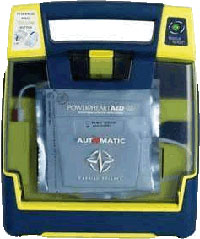
- Check the OEM Part Number: This should be stamped directly on the battery. Common numbers to look for are M5070A (Philips HeartStart) or XBTAED001A (Powerheart G5).
- Focus on the AED Model: Ensure the product description explicitly supports your specific device:
We highly advise you to check our site’s comprehensive cross-reference chart below for your specific model and part number to ensure a perfect, compliant match.
Conclusion
When choosing a defibrillator battery, you’re focusing on compliance and safety. Today, thanks to ABE and their re-celled batteries, you have a much less-expensive way to achieve both. By selecting an FDA-Approved replacement from a trusted supplier (like Battery Mart!), you get OEM-level performance with warranty assurance. You’ll avoid the legal and safety risks of generic aftermarket options, all after significant savings.
Ready to find your replacement? Browse our full selection of FDA-Approved AED Batteries today.