

We’ve all been there: a click of the key, a moment of silence, and the sinking realization that your car battery is dead. It can happen at the worst possible time, but with the right knowledge and tools, you can get back on the road in minutes.
While jump-starting a car battery is a common skill, doing it safely is non-negotiable. In this comprehensive guide, we’ll show you the entire process, from crucial safety checks to the exact order for connecting the cables. We’ll also answer some of the most common questions people have when faced with a dead battery, so you can handle the situation like a pro.
Safety First: What to Do Before You Begin
Before you even pop the hood, take a moment to ensure everything is safe and ready to go. Following these steps can prevent dangerous sparks, electrical shorts, or even a battery explosion.
- Wear eye protection: Always put on safety glasses or goggles when working around a car battery.
- Inspect both batteries: If either battery is cracked, swollen, or leaking, do not attempt to jump-start it! A damaged battery presents a serious hazard, so you must replace it immediately.
- Turn off both vehicles: Ensure you turn off both the stalled and the assisting vehicles and that the keys are in the OFF position.
- Check for contact: Make sure the vehicles do not touch each other during the jump-start.
- Clear the area: Work in a well-ventilated area and keep flammable liquids and materials away.
Step-by-Step: How to Safely Connect Jumper Cables
Now that you’ve completed your safety checks, it’s time to connect the cables. This is the most important part of the process, and the order of connection matters. Follow these steps precisely to ensure a safe and successful jump-start.
Step 1: Connect the Positive (Red) Cable to the Dead Battery Find the positive terminal on the dead battery, which usually has a + symbol or a red cap. Then, take the red (positive, +) clamp and attach it firmly to this terminal.
Step 2: Connect the Other Positive (Red) Cable to the Good Battery Next, take the other red clamp and connect it to the positive terminal of the assisting vehicle’s battery.
Step 3: Connect the Negative (Black) Cable to the Good Battery Find the negative terminal on the good battery, which is typically marked with a - symbol. Then, take the black (negative, -) clamp and connect it to this terminal.
Step 4: Connect the Remaining Negative (Black) Cable to an Unpainted Metal Surface This final connection is crucial for safety. Attach the remaining black clamp to a clean, unpainted metal surface on the engine block of the stalled vehicle, away from the battery. This “grounds” the circuit and helps prevent sparks from igniting any hydrogen gas that may have built up around the dead battery.

Starting the Engine and Disconnecting the Cables
With all cables securely connected, it’s time to bring your battery back to life.
- Start the assisting vehicle: Let its engine run for a few minutes. This allows the dead battery to receive a charge.
- Attempt to start the stalled vehicle: After a few minutes, try to start the car with the dead battery. If it starts, let it run for a few more minutes to build up a charge.
- Disconnect the cables in reverse order: Carefully remove the cables in the exact reverse sequence of connection to avoid a short circuit.:
- Remove the black clamp from the engine block of the formerly dead car.
- Remove the black clamp from the assisting vehicle’s battery.
- Remove the red clamp from the assisting vehicle’s battery.
- Remove the red clamp from the formerly dead car’s battery.
Frequently Asked Questions (FAQs)
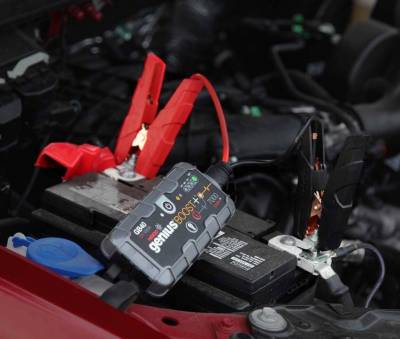
Q: Jumper cables vs. a booster pack: What’s the difference? A: Jumper cables require a second, functioning vehicle to supply power. A booster pack (or portable jump starter) is a self-contained unit with its own battery, allowing you to jump-start your car without another vehicle. This is an excellent option for a stranded driver who doesn’t have a friend to help.
Q: How long should I let the engine run after a jump-start? A: You should let the engine run for at least 15-20 minutes after a successful jump-start to allow the alternator to recharge the battery. For an older or very dead battery, we recommend a longer drive.
Q: What if the car still won’t start after a jump? A: If the car doesn’t start, the problem may be more than just a dead battery. It could be an issue with the alternator, starter, or a different component. In this case, it’s best to have a mechanic inspect the vehicle.
Be Prepared: Essential Tools for Every Driver
Don’t wait until you’re stranded to find the right tools. Keep these in your trunk for peace of mind:
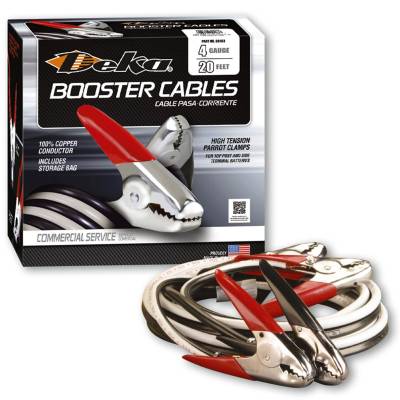
- Heavy-Duty Jumper Cables – Our high-quality cables ensure a safe and effective connection every time.
- Portable Jump Starter – A great backup when no other vehicle is around to help.
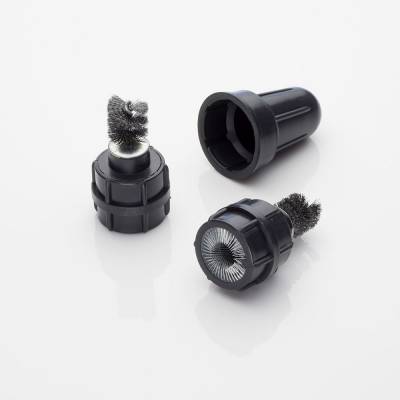
- Battery Terminal Cleaner – Keep your terminals corrosion-free for better connections and longer battery life.
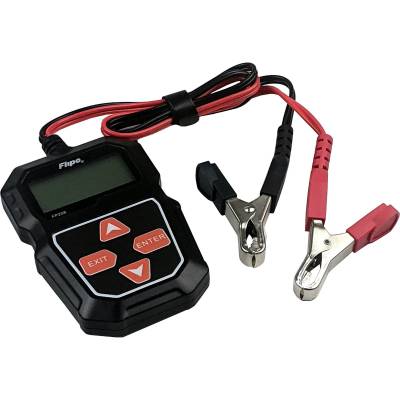
- Battery Tester – A quick way to check your battery’s health to avoid being left stranded.
Final Thoughts
Jump-starting your car doesn’t have to be intimidating. By following these clear, safe steps, you can confidently handle a dead battery and get back on the road.
Stay prepared and powered up by stocking up on trusted tools and products from BatteryMart.com. We’ve got everything you need to tackle a dead battery with confidence.
