

I. Get Your Watch Ticking Again
Frozen time-keeping hands and no ticking are sure signs your watch is signaling a dead battery. Now, what can you do?

Many people rush to a jeweler or a mall kiosk, mistaking battery replacement as a complex process, for experts only. What if we told you that wasn’t true? With some guidance and the right tools, you could become your own watch repair expert!
This guide will walk you through the steps of safely identifying the correct battery (whether it’s a popular 377 battery, a 371 battery, or a more specialized type), understanding common equivalents, and replacing it right in your home. It’s surprising how much money you can save on service fees and how easily you can get your entire watch collection keeping time.
The best part? You don’t need a professional workshop. Having an affordable Watch Battery Toolkit significantly simplifies the process, making the DIY advantage clear from the start.
II. Understanding Watch Batteries: Chemistry and Voltage
To choose the right battery, there are a few details you need to check first. Watches are powered by small button or coin cells. You’ll need to know just two things: its size (in thickness and diameter) and its chemistry.
The Three Main Types
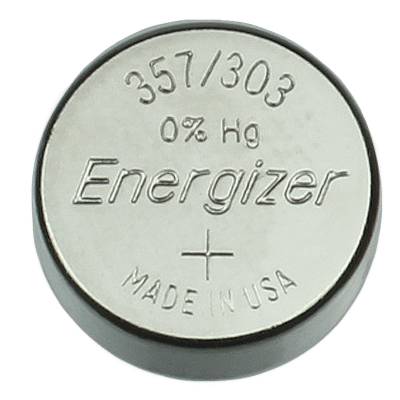
- Silver Oxide (SR): The battery you’ll find in many common watches and clocks. This chemistry maintains a stable voltage until fully depleted, helping your device keep accurate time. Typically, these batteries will be labeled with ‘SR’ in their name. ‘S’ stands for Silver Oxide and ‘R’ means Round.
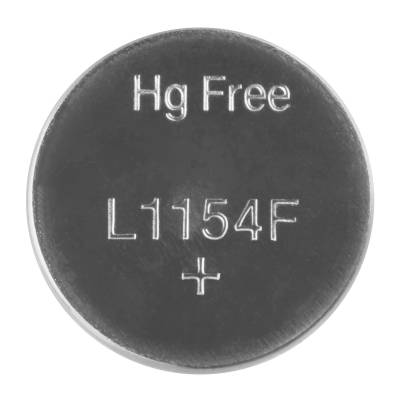
- Alkaline (LR): These are cheaper and often found in inexpensive toys or very basic watches. However, their voltage drops gradually over time, which can sometimes cause watches to run slow before the hands quit moving completely. (‘L’ = Alkaline Chemistry, ‘R’ = Round)
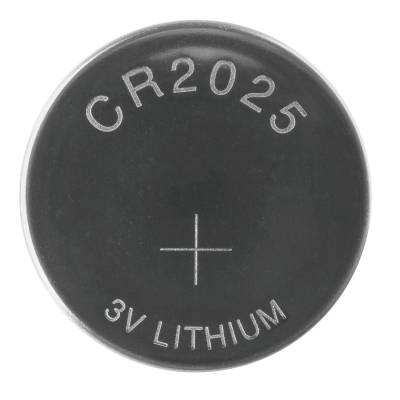
- Lithium (CR): These are easily identifiable because they typically deliver a higher 3V and are slightly wider (like the common CR2032 found in many devices, like a computer’s real-time clock). They are almost exclusively used in heavy-drain devices like digital watches, fitness trackers, and watches with backlights or alarms. (‘C’ = Lithium Chemistry, ‘R’ = Round)
III. Decoding the Battery Number: Identification and Cross-Reference
Once you have the case open and the old battery removed, you’ll see the crucial number printed on top. This code tells you the exact size (diameter and thickness) required. You must match this number exactly.
The Naming Conventions
Most watch batteries fall under two main conventions:
- 3-Digit System (Common): This is the most popular naming convention used by many manufacturers. For instance, the 377 and 371 codes are common in analog quartz movements.
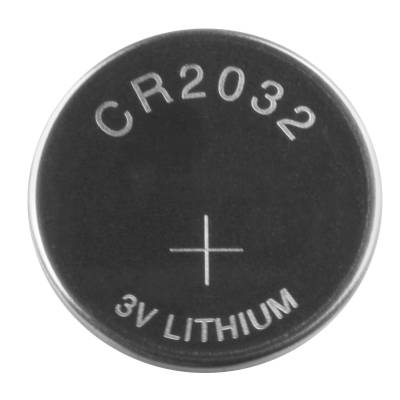
- IEC Standard: The numbers translate to the battery’s dimensions. For a CR2032, the 2032 part shows that its diameter is 20mm with a thickness of 3.2mm. Again, the CR means it’s a round, lithium battery.
Understanding Common Equivalents
If you see multiple numbers on the battery, it’s fine. Almost every battery has several names, and every manufacturer or distributor may use different proprietary names or trade numbers. We work hard to ensure we have all watch batteries cross-referenced.
| Common Name | IEC Equivalent | Note | |
|---|---|---|---|
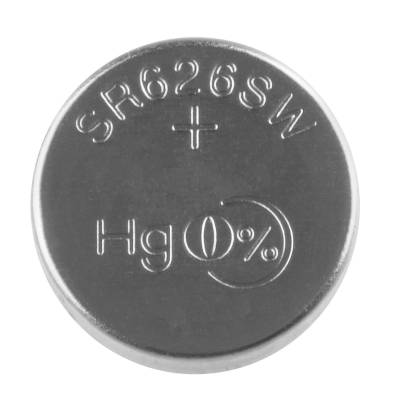 | 377 | SR626SW | The most widely used size for standard analog watches. Diameter: 6.8mm Thickness: 2.6mm |
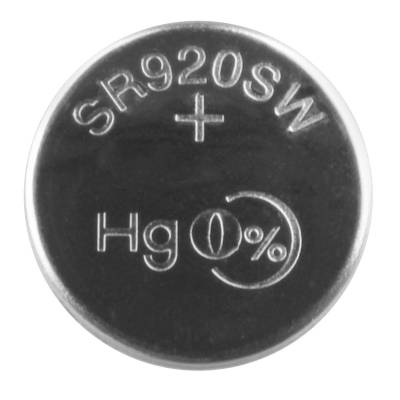 | 371 | SR920SW | Another very popular size for mid-sized movements. Diameter: 9.5mm Thickness: 2.05mm |
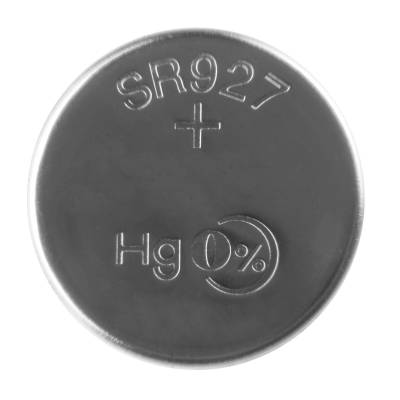 | 395 | SR927SW | Found in larger watches or chronographs. Diameter: 9.5mm Thickness: 2.73mm |
Furthermore, you may see the suffix SW or W. SW shows it’s a silver oxide type watch battery and confirms it’s made for low-drain watches. W denotes a “high-drain” battery for watches with multiple functions (e.g. alarms). It’s usually best to stick with the type listed on your original battery.
To help you find the right replacement, especially if you have an uncommon or older number, use an online watch battery cross reference chart available on battery specialist websites.
IV. Where to Buy Watch Batteries: Selection, Price, and Quality
So, where could one buy a watch battery? The answer is simple: The best place to buy watch batteries is online from a dedicated battery specialist: like Battery Mart!
Why Buy Online?
- Selection: Local retailers are limited to a handful of popular sizes. Online specialists offer virtually every size and chemistry, from your common 377s to specialty lithium cells.
- Cost Savings: Buying watch batteries online is significantly cheaper than paying for service fees at a jeweler, who often mark up the price of the battery itself. It’s not uncommon to see the service fee rolled into the total cost of the watch battery.
- Freshness: You guarantee that you are getting freshly manufactured batteries with maximum shelf life.
Ready to find your replacement? Browse our full selection of watch batteries online now! Browse Watch Batteries Here
When to Use a Professional Service – Where can I get watch batteries replaced?
You only need professional replacement for high-end or dive watches that require specialized equipment to pressure test and restore water resistance after the case has been opened. For all other watches, it’s easy to do yourself.
(Note: If you’re near Winchester, VA or Martinsburg, WV, our retail Battery Mart stores replace watch batteries at no additional cost)
V. Replacing the Battery, Step-by-Step
Once you’ve identified your battery size (like 377 or 371), you can get started.
A. Tools Required
You don’t need expensive equipment! All the tools (case openers, screwdrivers, plastic tweezers, etc.) are included in our Watch Battery Toolkit. This kit contains everything required for safe, non-magnetic handling. Get Your Watch Battery Toolkit Here
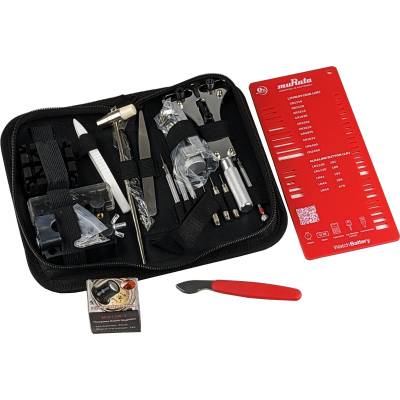
Our toolkit includes:
- Small flat head screwdriver
- Small Philips head screwdriver
- Snap-back case opener
- Screw-back case opener
- Spring bar tool
- Scratch brush
- Watch battery size selector
B. Opening the Watch Case
- Snap-Back Cases: You’re looking for a notch along the edge of the back of the case. Use the flat edge of a case knife (or the snap-back tool from your kit) to pry the back off. It won’t take much force.
- Screw-Back Cases: Use an adjustable wrench (included in the toolkit) to grip the indentations on the back to twist it open.
C. The Replacement Process
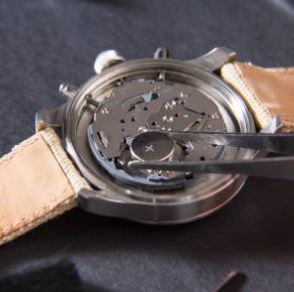
- Check the Original Battery’s Orientation & Remove: Before removing the old battery, check how it’s inserted (specifically, which way the positive side is facing). There may be a small retaining clip or lever to hold the battery in place. Gently release it and use non-conductive (plastic) tweezers to lift the old battery out. Do your best to avoid any metal contact.
- Insertion: Handle the new battery carefully. Hold it by the edges and avoid the surfaces (body oils can shorten its life). The positive side (+) of the new battery will face the same direction. Then secure the retaining clip (if any).
D. Closing the Case
Carefully replace the case back. For snap-backs, align the case back and press firmly, perhaps using a flat, hard surface or a dedicated case press tool to ensure a tight seal and restore basic moisture resistance.
VI. Let’s Power Up Your Timepiece!
Congratulations! You’re ready to handle all your own watch battery replacements. Now, you can decode those 3/4-digit numbers and you’ll save both time and money.
Whether you need a common 377 battery or a specialty lithium cell, and the right tools for the job, we have the fresh, reliable power and equipment you need to keep your favorite watches in constant rotation.
