Shopping Cart

Your cart is currently empty.

Fast Order Shipping, Friendly Service, & the Best Value in Batteries!
Battery Mart - Best Value in Batteries GUARANTEED

All posts by Battery Mart

Should I store my batteries in the refrigerator?

Posted on October 6, 2020 by

We’ve all heard the myth: “Keep your batteries in the fridge and they’ll last longer.” But is there any truth to it?

Short answer: No don’t do it.

While cooler temperatures can slow battery discharge, your refrigerator isn’t the right place. The best way to store batteries for a long shelf life is in a clean, dry place at room temperature ideally between 68°F and 78°F (20°C to 25°C).

Why Cold Storage Isn’t Worth the Risk

It’s true that heat speeds up battery drain. Even when batteries aren’t in use they lose charge slowly through a natural process … Keep Reading
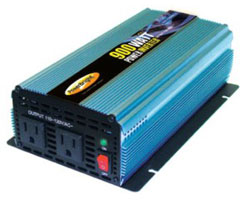

How to Choose the Right Power Inverter for Your Next Off Grid Adventure

Posted on September 28, 2020 by

A power inverter is one of the most useful tools when you’re off the grid whether you’re camping, tailgating or preparing for power outages. It converts 12 volt DC power from your battery into 120 volt AC power, so you can run everyday items like laptops, fans, or even a coffee maker.

But how do you know what size inverter you need? And what kind of battery works best? We’ve broken it down in a simple way, plus we’ve included helpful product links from BatteryMart.com so you can shop smart and get set up with confidence.

Step 1: Know

Keep Reading

How to Test Your Motorcycle Battery System for Parasitic Drain

Posted on September 17, 2020 by

If your motorcycle battery keeps dying overnight or after just a few days of sitting, there’s a good chance you’re dealing with a parasitic drain. Basically something is pulling power when it shouldn’t be. The good news is that finding the source of the problem is easier than you might think.

All you need is a digital multimeter and a little patience. In this guide, we’ll walk you through the steps to check for parasitic current draw and give you some product tips along the way.

What You’ll Need

  • A digital multimeter that can measure DC amps
Keep Reading

Understanding NiMH and NiCD Batteries: Memory Effect Explained

Posted on by

NiCD vs. NiMH Batteries: What’s the Real Difference?

If you’ve ever shopped for rechargeable batteries, chances are you’ve seen the terms NiCD (Nickel Cadmium) and NiMH (Nickel Metal Hydride). While they might seem similar at a glance, these two battery types are quite different in how they perform and how you care for them.

Let’s break it down in simple terms so you can make the right choice for your devices and keep your batteries working their best.

So, What’s the Big Difference?

Both NiCD and NiMH batteries are rechargeable, but NiMH batteries offer up to 30% more capacityKeep Reading


How to Clean Corroded Battery Terminals and Keep Your Car Starting Strong

Posted on September 16, 2020 by

Corroded battery terminals are one of the most common reasons a car won’t start, but it’s an easy problem to fix yourself. This guide will show you how to safely clean and prevent corrosion on your battery terminals and cables, so you can keep your car’s electrical system running strong.

Understanding Series and Parallel Battery Connections: What You Need to Know

Posted on July 15, 2020 by

If you’re working with batteries for your golf cart, RV, boat, solar setup, or even a diesel truck, you’ve probably come across the terms “series” and “parallel.” While they sound technical, the concept is actually pretty simple and knowing the difference helps you choose the right battery charger and extend the life of your batteries.

Let’s break it down in a way that’s easy to understand.

What Is a Series Battery Connection?

When batteries are connected in series you’re increasing the voltage while keeping the amp hour (Ah) capacity the same. This is done by connecting the negative terminal of Keep Reading


Is It Bad to Put a Car Battery on Concrete? The Truth Behind the Myth

Posted on June 18, 2020 by

Will storing my car or motorcycle battery on a concrete floor ruin it?

No, you can put a car or motorcycle battery on a concrete floor without any problems. The long-standing belief that a concrete floor will “drain” or “kill” a modern car battery is a myth. This popular rule of thumb was once true for early automotive battery technology. But thanks to advancements in materials, the batteries we use today are completely safe to place on any surface, including concrete.

The Origin of the Concrete Floor Myth

To understand why this myth was once true, we have to look … Keep Reading


Recycling Batteries at Battery Mart

Posted on October 15, 2019 by

If you don’t know what to do with your old batteries, we have a solution: Send them back to us for recycling!

We are currently accepting batteries of these types:

  • AGM / Gel / Sealed Lead Acid / Maintenance Free
  • Sealed NiMH cells
  • Lithium Ion (Li-Ion) & Lithium Polymer (Li-Poly) Cell Phone Batteries (place tape over the connectors before shipping lithium batteries)

All you need to do is ship your old batteries to us by any carrier of your choice (UPS, FedEx, etc.) to the address below:

Battery Mart
ATTN: Recycle
1 Battery Drive
Winchester, VA 22601

If you’ve purchased … Keep Reading


Hearing Aid Batteries: Answers to Common Questions

Posted on by

While there are rare instances that a hearing aid will use a rechargeable battery, the majority of them use one of the standard Button Cell Zinc-Air batteries. These batteries all operated at 1.35 Volts (sometimes rounded up to 1.4 Volts). Typically, one would differentiate between batteries with their size.

Here you can find answers to some of the most common questions. Hearing aid batteries are extremely valuable items, and hopefully the answers here will help you understand a little more about them.

How can I tell what battery size I need?

Some time ago, hearing aid batteries sizes were standardized … Keep Reading


Need Help - Battery Mart Support